The Post Title 2
- Daniel Alberto Gallo Erazo
- 21 ago
- 3 Min. de lectura

In today's fast-paced world, finding balance can feel like a daunting task. With endless responsibilities and distractions, many of us struggle to maintain a sense of peace and well-being. However, achieving balance is not only possible, it is essential for a fulfilling life. In this post, we will explore practical strategies to help you find that balance, no matter your circumstances.
Finding balance starts with understanding what it means for you. For some, it may involve managing work and personal life. For others, it could mean balancing physical health with mental well-being. Whatever your definition, the first step is to identify your priorities.
One effective way to clarify your priorities is to create a list. Write down the areas of your life that matter most to you. This could include family, career, health, hobbies, and social life. Once you have your list, rank them in order of importance. This exercise will help you see where you should focus your energy.
Next, consider how you currently spend your time. Keep a time log for a week. Note how many hours you dedicate to each area of your life. This will give you insight into whether your time aligns with your priorities. If you find that work takes up most of your time, it may be time to make some adjustments.
Setting Boundaries
Setting boundaries is crucial for maintaining balance. It is easy to let work spill into personal time, especially with the rise of remote work. To combat this, establish clear work hours. Communicate these hours to your colleagues and family. When your workday ends, make a conscious effort to disconnect.
Additionally, learn to say no. It can be tempting to take on extra projects or commitments, but overextending yourself can lead to burnout. Evaluate each request against your priorities. If it does not align, politely decline.
Mindfulness and Self-Care
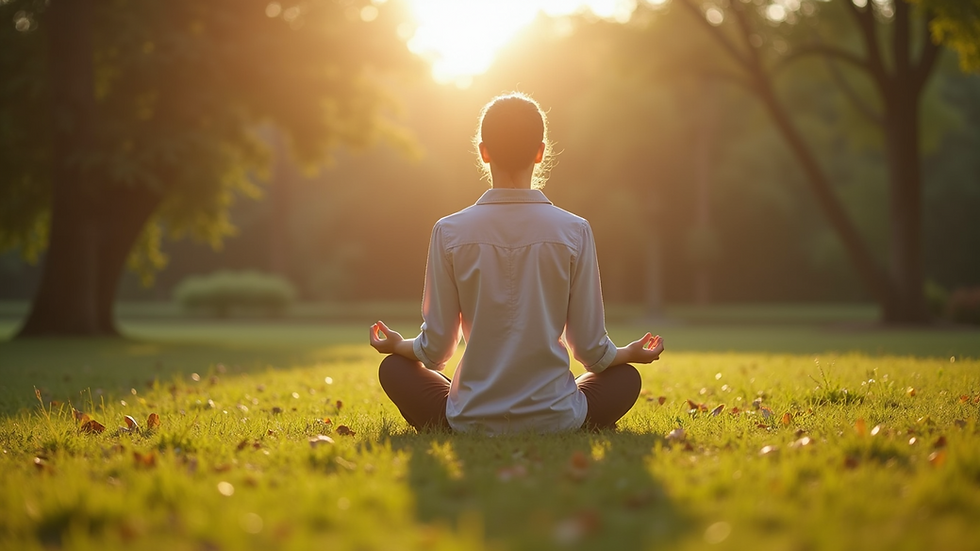
Incorporating mindfulness into your daily routine can significantly enhance your sense of balance. Mindfulness encourages you to be present in the moment, reducing stress and anxiety. Simple practices like meditation, deep breathing, or even a short walk can help ground you.
Self-care is another essential component of balance. Make time for activities that rejuvenate you. This could be reading, exercising, or spending time with loved ones. Prioritizing self-care helps you recharge, making it easier to handle life's challenges.
Creating a Support System
Having a strong support system is vital for maintaining balance. Surround yourself with people who uplift and encourage you. Share your goals and struggles with them. They can provide valuable perspective and support when you need it most.
Consider joining groups or communities that align with your interests. Whether it is a book club, a fitness class, or a hobby group, connecting with like-minded individuals can enhance your sense of belonging and balance.
Time Management Techniques
Effective time management is key to achieving balance. Here are a few techniques to consider:
The Pomodoro Technique: Work for 25 minutes, then take a 5-minute break. This method helps maintain focus while preventing burnout.
Time Blocking: Allocate specific blocks of time for different tasks. This helps you stay organized and ensures you dedicate time to your priorities.
The Eisenhower Matrix: Categorize tasks into four quadrants based on urgency and importance. This will help you focus on what truly matters.
Embracing Flexibility
While structure is important, flexibility is equally vital. Life is unpredictable, and sometimes plans change. Embrace the unexpected and be willing to adjust your schedule as needed. This adaptability will help you maintain balance even when challenges arise.
Celebrating Small Wins
Finding balance is a journey, not a destination. Celebrate your progress along the way. Acknowledge the small victories, whether it is completing a project on time or making time for self-care. Recognizing these achievements will motivate you to continue striving for balance.
Conclusion: Your Path to Balance
Achieving balance is an ongoing process that requires intention and effort. By identifying your priorities, setting boundaries, practicing mindfulness, and managing your time effectively, you can create a more balanced life. Remember, it is okay to seek support and embrace flexibility.
As you embark on this journey, keep in mind that balance looks different for everyone. Take the time to discover what works best for you. With patience and persistence, you can cultivate a life that feels harmonious and fulfilling.


Comentarios